Cagrilintide — Buy Amylin Analog | Dosing, Mechanism | Peptex
Published: 2026-02-22 17:12:00 | PEPTEX Research
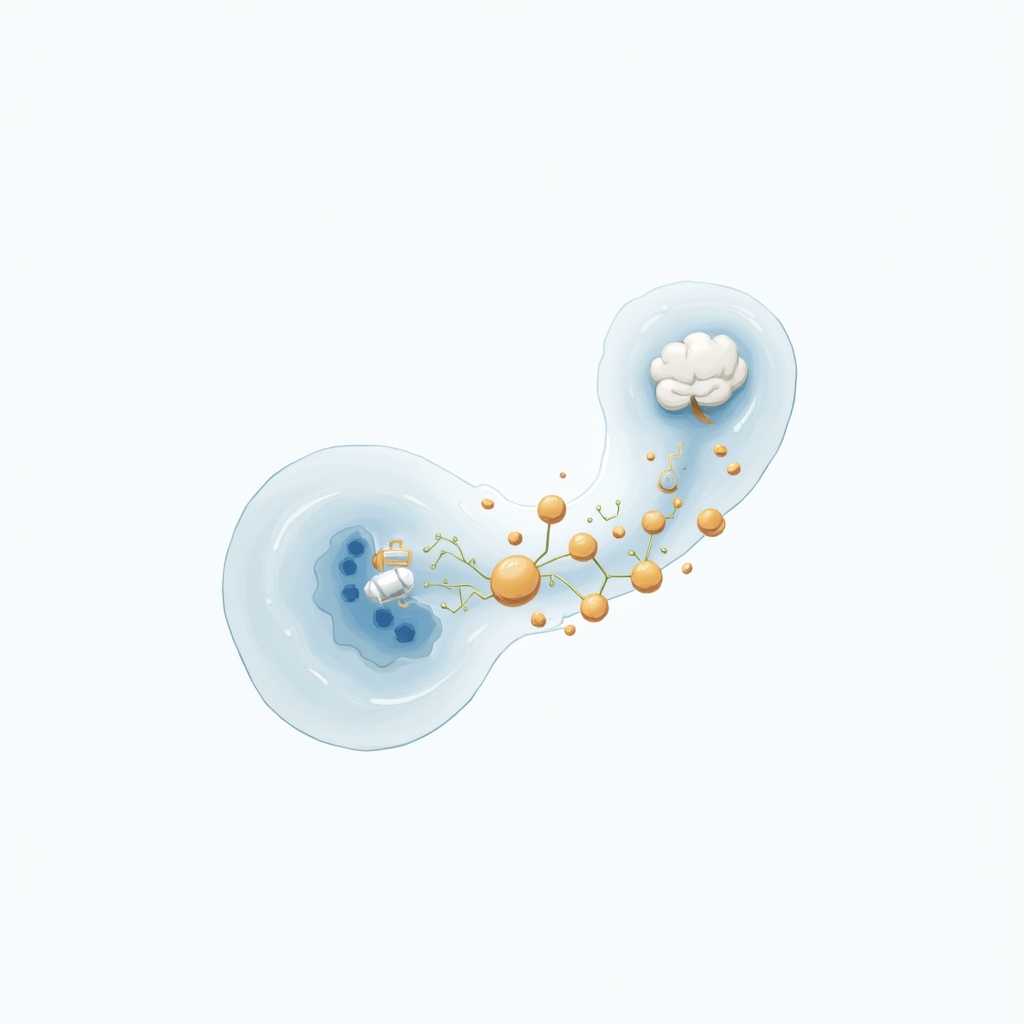
Amylin: The Pancreatic Peptide Flying Under the Radar
Everyone knows about insulin. It's the hormone your doctor mentions, the one media covers endlessly, the one people associate with diabetes. But here's something most people never learn: the same beta cells in your pancreas that produce insulin also release another peptide called amylin. Every single time you eat, both insulin and amylin get secreted together. While insulin handles glucose uptake, amylin does something equally critical — it controls blood sugar through a different mechanism and simultaneously reduces your appetite.
So why haven't you heard of it? Because until recently, the pharmaceutical industry couldn't figure out how to deliver amylin in a practical way. That changed with cagrilintide, and it's reshaping how we think about appetite control and metabolic health.
The Problem with Early Amylin Drugs
The first synthetic amylin analog — pramlintide, sold as Symlin — hit the market years ago. The concept was sound: replace the amylin that beta cells can no longer produce adequately, especially in type 2 diabetics. In practice, it was a compliance nightmare.
Pramlintide has an extremely short half-life. Patients needed three injections per day — on top of their insulin shots and other medications. Six or more injections daily is a hard sell, regardless of how effective the drug might be. Pramlintide remained a niche medication, prescribed infrequently, and amylin therapy never reached its potential.
The field needed a long-acting amylin analog. Something you could inject once a week and forget about. That's exactly what cagrilintide delivers.
Cagrilintide: Weekly Dosing Changes Everything
Cagrilintide is a modified amylin analog engineered for extended activity. One subcutaneous injection per week covers what pramlintide needed 21 injections to achieve. That's not an incremental improvement — it's a category shift in usability.
Major pharmaceutical companies including Novo Nordisk and Eli Lilly are developing next-generation amylin analogs, which signals how seriously the industry takes this pathway. If you're looking to incorporate cagrilintide into your protocols, Peptex carries research-grade peptides with verified purity.
Dosing Protocol
Cagrilintide is administered subcutaneously once weekly. Dosing follows a gradual titration schedule — you start low and increase over several weeks. This mirrors the approach used with other metabolic peptides and helps minimize gastrointestinal side effects. Full protocols typically run 90 days or longer to evaluate comprehensive results.
How Amylin Differs from GLP-1
This is where things get interesting for anyone already familiar with GLP-1 receptor agonists like semaglutide or tirzepatide. GLP-1 works through the gut-brain axis: it slows gastric emptying, signals satiety through the vagus nerve, and stimulates insulin secretion.
Amylin operates through a fundamentally different pathway. It acts directly on appetite centers in the brainstem. It also slows gastric emptying (like GLP-1, but through a separate mechanism) and suppresses glucagon secretion. What you end up with are two independent satiety systems working through different receptors and neural pathways.
As Dr. Gillett explains, amylin analogs are "very weight negative" — they drive significant weight reduction. The appetite suppression through the amylin pathway complements GLP-1 signaling rather than duplicating it. Your body receives satiety signals from two distinct sources simultaneously.
The Case for Combining Cagrilintide with GLP-1
The logic is straightforward. If two independent mechanisms both suppress appetite, activating both at the same time should outperform either one alone. Think of it as pressing two brake pedals simultaneously — the vehicle stops faster.
Novo Nordisk developed CagriSema — cagrilintide plus semaglutide in a single injection. Clinical data demonstrated that CagriSema outperformed semaglutide monotherapy for weight reduction. This confirms that the amylin pathway adds meaningful efficacy on top of GLP-1.
For anyone who has plateaued on a GLP-1 agonist alone, adding cagrilintide could break through that stall. Two different satiety signals working synergistically can overcome the body's adaptation to a single mechanism.
Who Benefits Most from Cagrilintide
Dr. Gillett identifies several populations where amylin analogs show particular promise:
- Type 2 diabetics with beta cell dysfunction. When your proinsulin-to-insulin ratio is off, it indicates your pancreatic beta cells are struggling. These are the same cells that should produce amylin but can't keep up. Exogenous amylin fills that gap.
- People who plateau on GLP-1 therapy. If semaglutide or tirzepatide stopped producing weight loss progress, engaging the amylin pathway can restart momentum.
- Those with severe insulin resistance. According to Dr. Gillett, amylin helps re-sensitize cells to insulin. The best clinical application is a diabetic whose beta cells are deteriorating and who needs insulin sensitization support.
There's another practical benefit. For individuals who struggle with high-dose GLP-1 side effects, particularly nausea, cagrilintide offers comparable appetite suppression through a different mechanism — potentially with a lighter GI burden.
Side Effects
The primary side effects are gastrointestinal: nausea and abdominal discomfort. This is typical for peptides that slow gastric motility. However, there's evidence suggesting that at equivalent appetite-suppressing efficacy, cagrilintide may produce milder GI symptoms than pure GLP-1 agonists at high doses. The amylin mechanism affects gut motility somewhat differently than GLP-1.
Dose titration matters enormously for tolerability. Jumping to high doses too quickly amplifies side effects. A gradual ramp over several weeks allows your system to adapt.
Cagrilintide Compared to Other Peptex Products
Within the Peptex catalog, cagrilintide occupies a unique position. Here's how it compares mechanistically to other metabolic peptides:
- [[Cagrilintide|12]] — Amylin pathway. Direct action on brainstem appetite centers, glucagon suppression, gastric emptying modulation.
- [[Tirzepatide|10]] — Dual GLP-1 and GIP receptor agonist. Combines two incretin pathways.
- [[Retatrutide|11]] — Triple agonist targeting GLP-1, GIP, and glucagon receptors. Three incretin mechanisms in one molecule.
- [[Mazdutide|13]] — Dual GLP-1 and glucagon receptor agonist. Unique combination of incretin and glucagon pathways.
Each of these peptides works through different receptor systems. Cagrilintide is the only one acting through the amylin pathway, making it an ideal candidate for stacking with GLP-1 agonists since the mechanisms don't overlap.
Why Amylin Analogs Represent the Next Frontier
Amylin-based appetite control has been undervalued for years. Pramlintide proved the mechanism works, but its impractical dosing schedule buried its commercial potential. Cagrilintide solved that problem.
The fact that the world's largest pharmaceutical companies are pouring billions into amylin analog development tells you something important. Amylin isn't a niche molecule — it's a fundamental metabolic regulator that operated in insulin's shadow. Now it has a convenient delivery format, and that unlocks real therapeutic possibilities.
If you're already working with GLP-1 peptides and looking for ways to amplify results or push past a plateau, cagrilintide offers a scientifically grounded strategy through an independent mechanism. You can find cagrilintide and other metabolic peptides in the Peptex catalog — every product undergoes laboratory quality verification.
Have questions about protocol selection or peptide compatibility? Reach out to the Peptex team through the support page — the specialists will help you sort through the details.
💬 Комментарии