Ipamorelin: Growth Hormone Secretagogue | Dosing, Tesamorelin Stack
Published: 2026-01-31 19:29:00 | PEPTEX Research
What Ipamorelin Actually Does
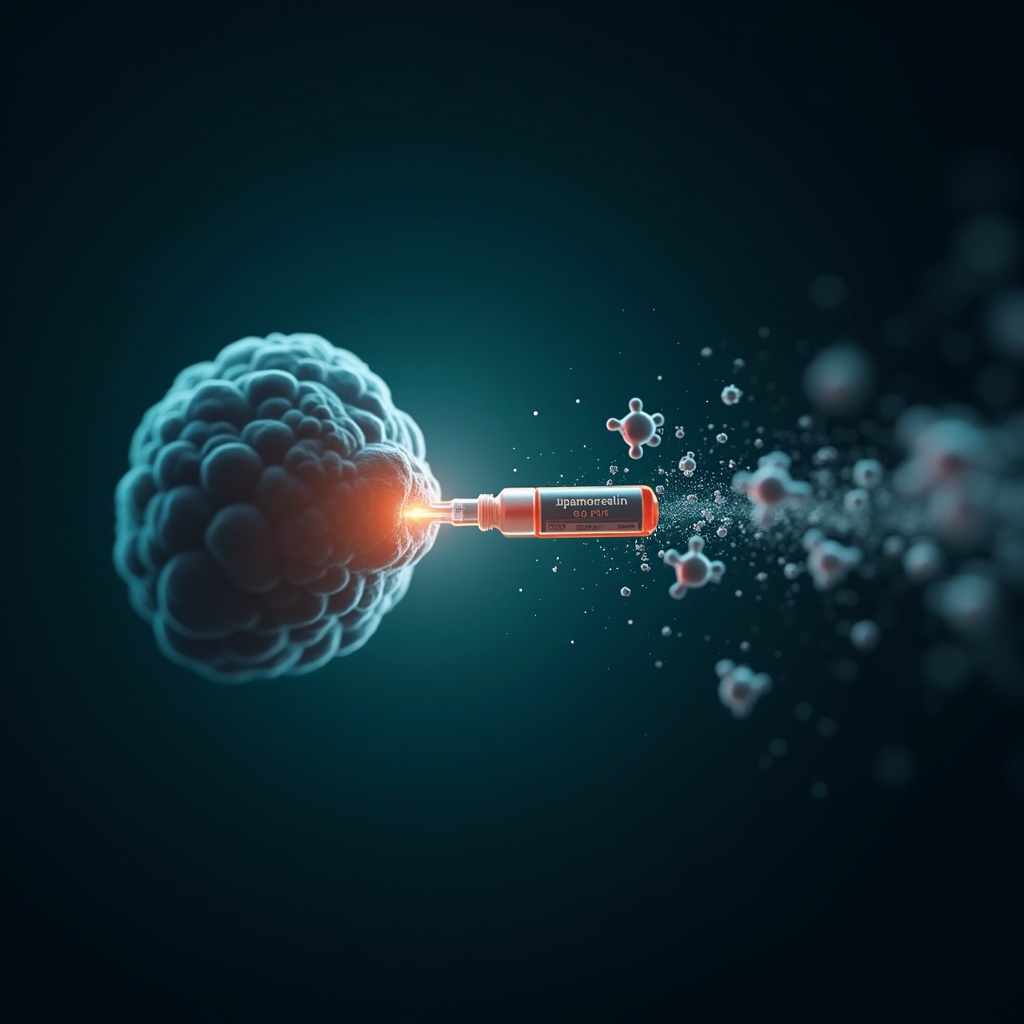
If you have spent any time researching growth hormone peptides, you have probably come across ipamorelin. It is a selective GHRP (growth hormone releasing peptide) with one specific job: bind to the ghrelin receptor in the pituitary gland and trigger a pulse of growth hormone.
The key word here is selective. Unlike MK-677 or GHRP-6, ipamorelin does not drag a trail of side effects behind it. No significant appetite increase (which is why many people quit MK-677 within weeks). No cortisol spikes. No prolactin elevation. It works precisely: ghrelin receptor, GH release, done.
For those just getting started with GH peptides, think of your pituitary as a faucet and ipamorelin as the hand that turns it on. It does not add water from outside (like direct GH injections). It makes your own body do the work.
A Brief History: Why Ipamorelin Is No Longer the Headliner
Five to ten years ago, ipamorelin was the standard recommendation on every biohacking forum. It was considered the gold standard among secretagogues because it was gentler than alternatives and delivered predictable results.
Times have changed. More powerful combinations emerged, efficacy data accumulated, and today ipamorelin as a standalone peptide looks modest. Dr. Tatem, a well-known figure in the peptide community, gives it a D-tier rating as a solo compound. That is not an insult — there are simply better options if you plan to use only one peptide.
But — and this is a big but — ipamorelin remains extremely useful in combinations. That is exactly why it stays in the Peptex catalog.
The Stack That Works: Ipamorelin + Tesamorelin
This is where things get interesting. Ipamorelin and Tesamorelin target two different receptors in the pituitary:
- Ipamorelin → ghrelin receptor (GHS-R)
- Tesamorelin → growth hormone releasing hormone receptor (GHRH-R)
When you activate both pathways simultaneously, synergy happens. Not arithmetic — multiplicative. Think 1+1=3. A low dose of each peptide produces a greater GH pulse than a high dose of either one alone. Meanwhile, side effects are lower because the dosage of each compound in the stack is reduced compared to solo use.
Dr. Gillett, one of the most frequently cited physicians in peptide therapy, puts it plainly: his go-to is Tesamorelin, occasionally combined with Ipamorelin. This is not a fringe opinion — it is mainstream among doctors who prescribe peptides daily.
How Secretagogues Differ from Direct GH
This point is critically important and often overlooked. When you inject direct growth hormone (somatropin), you get a flat, continuous GH level in your blood. That is unnatural. Your body normally releases GH in pulses — especially at night, during deep sleep.
Secretagogues like ipamorelin work differently. They stimulate pulsatile release, mimicking the natural pattern. Your body still regulates the process through negative feedback. If GH gets too high, the pituitary dials it back on its own.
Direct GH has no such self-regulation. You inject it, and it stays in your blood whether you need it or not. That is where the extra side effects come from: water retention, carpal tunnel syndrome, elevated glucose. With secretagogues, these risks are significantly lower.
What You Actually Get from Ipamorelin
Let us skip the overpromising. Here is what practice and user experience consistently confirm:
- Deeper sleep. This is the first thing nearly everyone notices. GH peaks during deep sleep, and ipamorelin amplifies that peak. Sleep becomes noticeably more restorative.
- Fat loss. Especially visceral fat — the kind that accumulates around organs. Tesamorelin was originally developed specifically to fight visceral fat.
- Skin and hair quality. GH stimulates collagen synthesis. Not instant, but after 2–3 months the difference is visible.
- Recovery. Minor injuries heal faster. Muscles bounce back from training more efficiently.
- Lean mass preservation. Especially relevant during caloric deficits — GH helps protect muscle while you lose weight.
Ipamorelin Dosing: How and When
Standard ipamorelin dosage: 200–300 mcg subcutaneously before bed. Why before bed? Because the main GH peak occurs during the first hours of deep sleep. You are essentially adding fuel to a natural fire.
Protocol:
- 200–300 mcg SubQ, 20–30 minutes before sleep
- No food for 2 hours before injection (carbs and insulin suppress GH release)
- 5 days on, 2 days off
- Cycle: 3–4 months, then 1 month break
If you are running the stack with Tesamorelin, you can reduce dosages of both peptides by roughly 30% while maintaining the same or better results.
Huberman’s Experience: When Sleep Gets “Too Deep”
Andrew Huberman, the Stanford neuroscientist, has talked about his personal experience with sermorelin — a peptide in the same class. He took it 1–2 times per week and eventually stopped because the first part of his sleep became, in his words, “too deep.”
That sounds like an odd complaint, but in practice it means you drop into such profound sleep that transitions between sleep stages get disrupted. It is not dangerous, but it can be uncomfortable — especially if you have no sleep issues to begin with.
This is a solid argument for starting at the lower end of the dosing range and paying close attention to your sleep quality.
Side Effects: What Is Real and What Is Not
Compared to MK-677, ipamorelin is a smooth ride. Here is what you need to know:
- Hunger: minimal or absent. This is the main advantage over MK-677 and GHRP-6.
- Glucose: no significant blood sugar spikes. Again, MK-677 loses here.
- Water retention: possible in small amounts, especially in the first 2 weeks. Usually resolves on its own.
- IGF-1: monitor this. The Goldilocks zone is 100–250 ng/mL. Above that, risks increase. Below it, you are not getting benefits. A blood test at weeks 4–6 is a mandatory part of the protocol.
No serious side effects have been reported at standard dosages with proper cycling. But that does not mean you can skip the bloodwork.
Who Benefits Most from Ipamorelin
Not everyone needs GH peptides. Here are the profiles where ipamorelin (especially stacked) makes the most sense:
- People over 40 whose natural GH production has declined. After 30, GH levels drop roughly 15% per decade.
- Athletes looking for faster recovery. Not for mass gain per se, but to train more frequently and at higher quality.
- Those who want GH benefits without injecting actual growth hormone. Secretagogues offer a gentler, more physiological path.
- People with sleep issues — improved deep sleep is often reason enough on its own.
Synergy with BPC-157: More Receptors, More Effect
Here is a lesser-known but important detail. BPC-157 is a peptide best known for its healing properties. But it has another trick: it increases the number of GH receptors on fibroblasts.
Think of it this way: ipamorelin drives GH release (more hormone in the blood). BPC-157 increases the number of antennas that catch that hormone at the tissue level. More signal plus more receivers equals amplified healing and recovery.
This is particularly relevant if you are using GH peptides for injury rehabilitation or improving connective tissue quality.
Why Ipamorelin Stays in the Peptex Catalog
We are honest about it: as a standalone peptide, ipamorelin is not a leader. D-tier solo is a fair rating. If we were selling trendy products, it would not be here.
But we sell solutions. And the ipamorelin plus Tesamorelin stack is one of the most proven combinations in peptide therapy for GH stimulation. Add BPC-157 for receptor sensitivity and NAD+ for cellular energy, and you have a protocol working on multiple levels simultaneously.
Peptex is not a pharmacy where you buy a single pill. It is an ecosystem where each product amplifies the others. And ipamorelin is an important piece of that puzzle.
A Practical 90-Day Plan
If you have decided to try it, here is a realistic plan:
Weeks 1–2: Adaptation
- Ipamorelin 200 mcg SubQ before bed
- Track sleep quality, keep a journal
Weeks 3–12: Main Cycle
- Ipamorelin 200–300 mcg plus Tesamorelin (per label) before bed
- 5 days on, 2 days off
- IGF-1 blood test at week 5–6
- Optional: add BPC-157 if you have recovery goals
Week 13 onward: Break
- Minimum 4 weeks off secretagogues
- Repeat IGF-1 test to confirm return to baseline
This is not a magic pill. It is a tool that works within the context of proper sleep, nutrition, and training. If you sleep five hours and eat junk food, no peptide will compensate for that.
The Bottom Line
Ipamorelin is not a solo star. Think of it as an excellent co-pilot: it will not fly the plane alone, but paired with the right captain (Tesamorelin), it makes the entire flig...
💬 Комментарии