Peptides After ACL Surgery: Recovery Timeline
Published: 2025-09-20 13:27:00 | PEPTEX Research
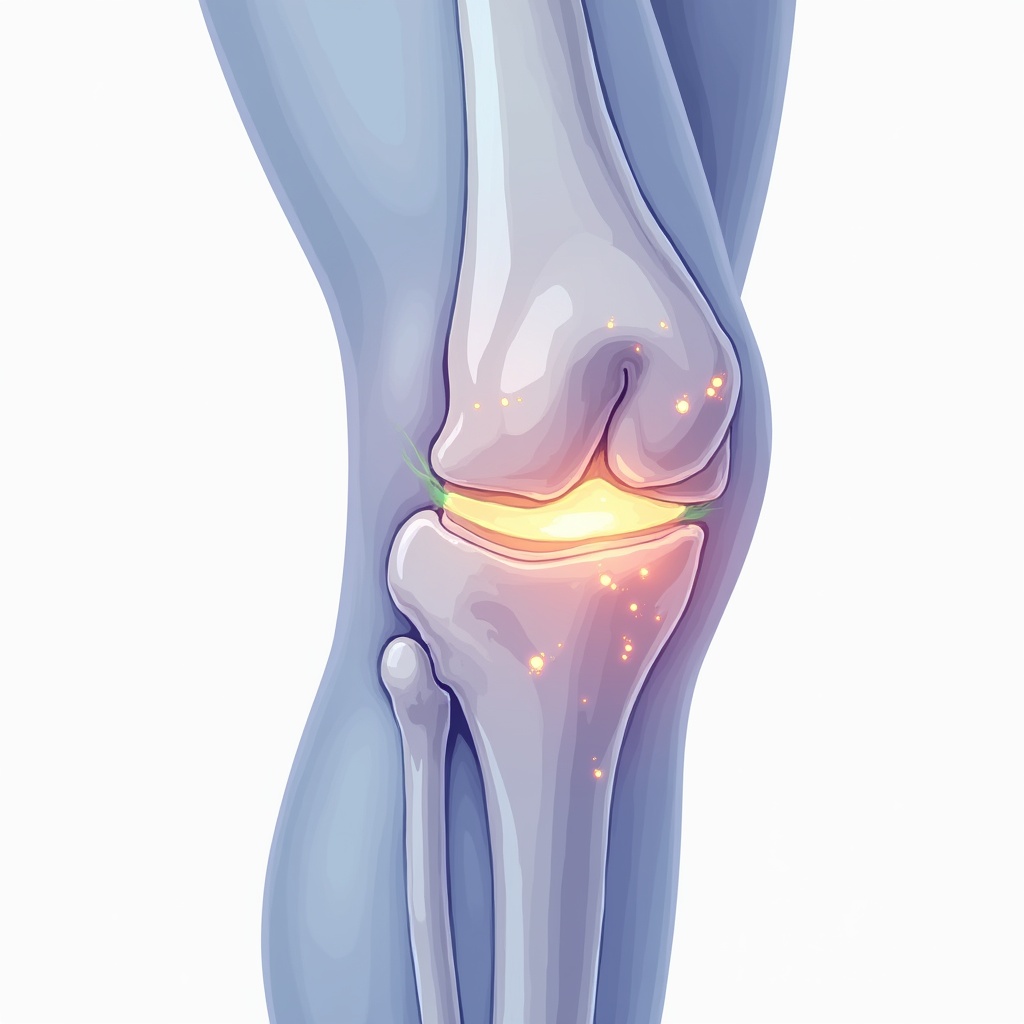
Why ACL Reconstruction Demands Targeted Recovery Support
Anterior cruciate ligament tears remain one of the most career-altering injuries in sports medicine. Even with a technically flawless reconstruction using hamstring or patellar tendon grafts, the biological reality is sobering: full ligamentization of the graft takes 12 to 24 months. During this extended remodeling window, the transplanted tissue undergoes necrosis, revascularization, and collagen reorganization before it even begins to function like native ACL tissue.
Standard rehabilitation protocols have barely changed in two decades. Surgeons prescribe the same progression of range-of-motion exercises, quadriceps activation drills, and gradual loading timelines that were developed in the early 2000s. While these protocols are safe, they do nothing to accelerate the underlying biological processes that actually determine graft maturity and long-term knee stability.
This is where regenerative peptides enter the conversation. Compounds like BPC-157, TB-500, and KLOW work at the cellular level to support angiogenesis, modulate inflammation, and promote collagen synthesis — the exact processes that dictate how quickly your reconstructed ACL becomes a functional ligament. Patients integrating BPC-157 into post-surgical protocols have reported returning to training up to 30% faster than standard recovery timelines suggest.
What follows is a detailed week-by-week breakdown of how these peptides can be strategically layered into each phase of ACL rehabilitation.
Weeks 1–2: The Acute Inflammatory Phase
What happens biologically
The first 14 days after surgery are dominated by acute inflammation. Your body floods the surgical site with macrophages, neutrophils, and inflammatory cytokines. The graft is essentially avascular at this point — it has been stripped from its original blood supply and sewn into bone tunnels. Swelling peaks around days 3 to 5, and pain management dominates the clinical picture.
While inflammation is necessary to initiate healing, excessive or prolonged inflammatory signaling can damage surrounding cartilage, impair quadriceps activation, and delay the transition to the proliferative phase. This is the critical window where modulating — not suppressing — the inflammatory response pays the largest dividends.
Peptide strategy
BPC-157 is the primary agent during this phase. Originally isolated from gastric juice, this 15-amino-acid peptide has demonstrated potent anti-inflammatory and cytoprotective effects in over 30 published studies on tendon and ligament repair. Its mechanism involves upregulation of growth hormone receptors and promotion of nitric oxide synthesis, which together support early vascularization of the graft.
TB-500 complements BPC-157 during this phase by promoting the migration of endothelial cells and keratinocytes to the injury site. As a fragment of thymosin beta-4, TB-500 plays a well-documented role in cellular migration and differentiation, both critical for the earliest stages of graft integration.
NSAIDs should be minimized during this period. While they reduce pain, they blunt the prostaglandin signaling that BPC-157 and TB-500 rely on to orchestrate repair. Ice and elevation remain appropriate for swelling control.
Weeks 3–6: Early Proliferation and Revascularization
What happens biologically
The inflammatory phase subsides, and the body shifts into tissue proliferation. Fibroblasts begin colonizing the graft, laying down disorganized type III collagen as a temporary scaffold. More importantly, new blood vessels start growing into the graft from the surrounding synovium and bone tunnels. This revascularization process is the rate-limiting step in early graft healing.
Clinically, patients typically regain full passive extension and 90 to 120 degrees of flexion during this window. Weight-bearing progresses from partial to full. The quadriceps begin firing again, though significant atrophy is already evident.
Peptide strategy
BPC-157 continues to serve as the backbone of the protocol. Its pro-angiogenic effects are particularly valuable here, as the speed of revascularization directly correlates with graft survival and eventual mechanical strength. Research on transected Achilles tendons in animal models showed BPC-157-treated groups demonstrated significantly faster recovery of biomechanical function compared to controls.
KLOW enters the protocol during week 4. This peptide supports growth hormone release pathways that become increasingly relevant as the body transitions from damage control to active tissue building. The growth hormone axis drives IGF-1 production in the liver, which in turn stimulates collagen synthesis by fibroblasts within the graft. This systemic support complements the localized effects of BPC-157.
Physical therapy during this phase focuses on progressive loading. The peptide stack helps ensure that the mechanical signals from rehabilitation are met with an adequate biological response — more blood vessels, more collagen, more fibroblast activity.
Weeks 7–12: Collagen Remodeling Begins
What happens biologically
This is where the graft starts its long transformation from transplanted tendon to functional ligament. Type III collagen is gradually replaced by the stronger type I collagen. The disorganized fiber arrangement begins to align along the axis of mechanical stress. However, the graft is still mechanically weak relative to the native ACL — typically achieving only 30 to 50% of its eventual strength by week 12.
Neuromuscular control returns more rapidly than structural integrity. Patients often feel better than their graft actually is, creating a dangerous confidence gap that accounts for a significant portion of re-tears.
Peptide strategy
The full three-peptide stack operates at peak synergy during this phase. BPC-157 continues promoting vascular remodeling and collagen organization. TB-500 supports the ongoing cellular migration necessary for graft maturation. KLOW maintains the growth hormone support that fuels the metabolically demanding process of collagen turnover.
This is also the phase where the peptides provide indirect benefits through improved sleep quality and recovery from rehabilitation sessions. Growth hormone secretion peaks during deep sleep, and KLOW’s support of this axis means that nighttime becomes an active recovery window rather than passive rest.
Rehabilitation intensity increases substantially — closed kinetic chain exercises, proprioceptive training, and eventual return to straight-line jogging. The biological support from the peptide stack helps the graft tolerate these increasing loads without microtrauma that could compromise remodeling.
Months 4–6: Functional Loading and Graft Maturation
What happens biologically
Collagen crosslinking increases graft stiffness and ultimate tensile strength. The blood supply matures from a chaotic neovascular network into an organized vascular architecture. The graft’s mechanical properties approach 50 to 60% of the native ACL. Proprioceptive retraining becomes the primary focus, as the reconstructed knee must relearn position sensing that was lost with the original ligament.
Peptide strategy
BPC-157 and TB-500 can be tapered during this phase as the acute biological demands diminish. Many practitioners reduce to maintenance-level usage rather than full protocol doses. KLOW remains relevant for its systemic recovery benefits, particularly as training volume and intensity increase.
The focus shifts from tissue repair to tissue optimization. The collagen that was deposited in months 2 and 3 now undergoes crosslinking and alignment refinement. Peptide support during this phase is about ensuring the biological environment remains favorable for these maturation processes rather than driving acute healing.
Athletes typically begin sport-specific movement patterns during this window. Lateral cutting, deceleration drills, and plyometric progressions place novel demands on the graft. The tissue tolerance built through earlier peptide-supported rehabilitation means these progressions can be introduced with greater confidence.
Months 7–12: Return-to-Sport Preparation
What happens biologically
Ligamentization continues but the graft is now mechanically competent for most activities. Research shows that graft remodeling actually continues for up to two years, but by month 9 to 12, most objective measures — quadriceps strength symmetry, hop test performance, dynamic valgus control — should approach pre-injury levels in patients who have adhered to comprehensive rehabilitation.
Peptide strategy
Peptide use during this phase is individualized. Athletes experiencing persistent inflammation after high-intensity sessions may benefit from targeted BPC-157 cycles. Those dealing with residual muscle atrophy find KLOW valuable for supporting the hypertrophy response. TB-500 is typically reserved for acute flare-ups rather than continuous use.
The return-to-sport decision should be guided by objective testing, not timeline alone. Isokinetic strength testing, functional movement screening, and psychological readiness assessments all factor into clearance. The goal of the entire peptide-supported timeline is not to rush this decision but to ensure that when the patient reaches this milestone, the biological quality of their graft matches their functional capabilities.
<...
💬 Комментарии