Peptideveiligheid: LPS-endotoxine, testen en bescherming | Peptex
Gepubliceerd: 2026-01-17 13:54:00 | PEPTEX Research
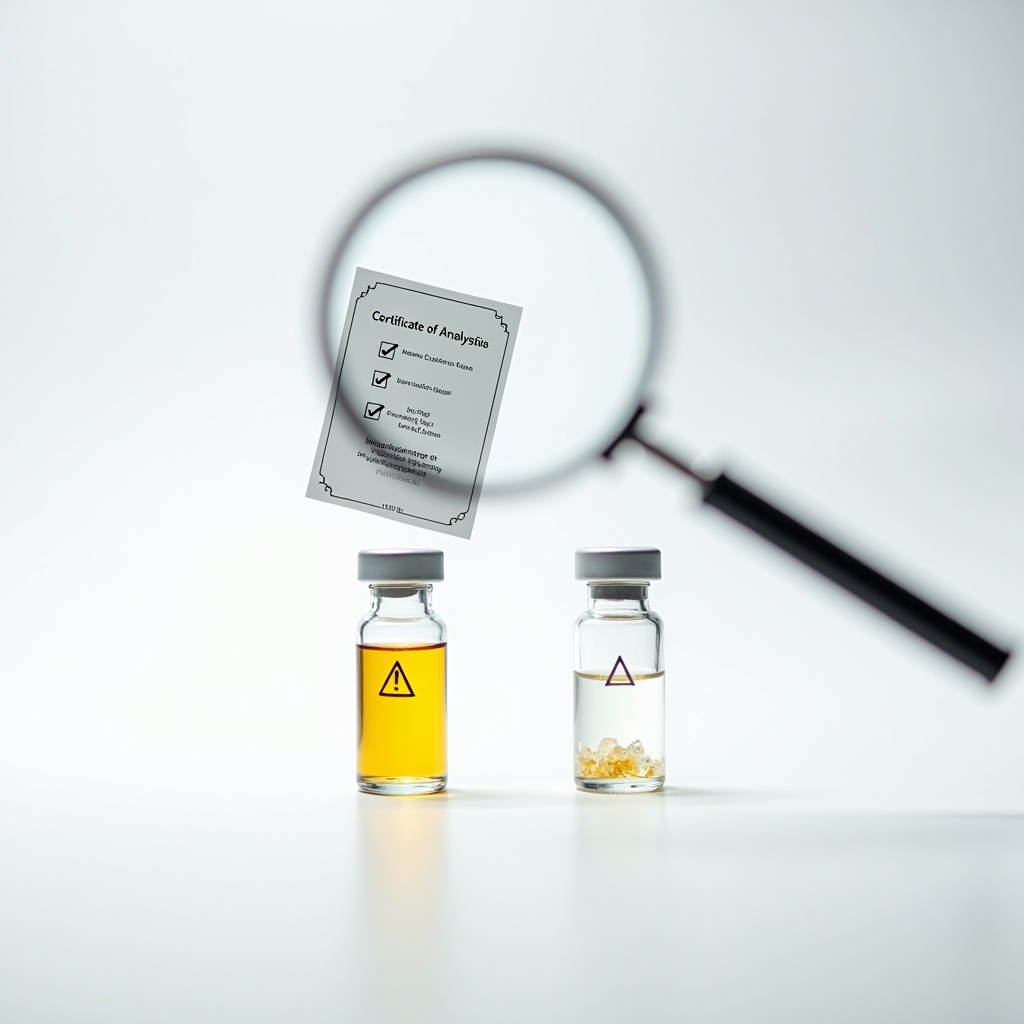
Do You Actually Know What You're Injecting?
Let's start with a question most people skip over. You ordered a peptide. You reconstituted it. You drew it into a syringe. But here's the thing — how do you know what's actually inside that vial? And more importantly, how do you know there's nothing in there that shouldn't be?
Most people using peptides like BPC-157, TB-500, or GHK-Cu never think about this. And that's the problem. Because the biggest danger with peptides isn't the peptides themselves. It's what comes along for the ride during manufacturing.
LPS: The Invisible Contaminant in Your Vial
LPS — lipopolysaccharide — is a structural component of gram-negative bacterial cell walls. In plain terms, it's a bacterial endotoxin. It has no color, no smell, no taste. You will never detect it by looking at your vial. But your immune system will detect it instantly.
When LPS enters your bloodstream, it triggers an inflammatory cascade. A single small exposure might cause mild symptoms — low-grade fever, headache, fatigue. Nothing you'd connect to your injection. Easy to dismiss.
Here's where it gets serious: LPS accumulates. When you're running a peptide cycle — daily injections for 30 to 90 days — each contaminated shot adds to the load. Chronic inflammation, suppressed immune function, and in severe cases, anaphylactic shock. These aren't theoretical risks. They're documented outcomes.
What Huberman Has Been Warning About
Andrew Huberman has covered this topic extensively on his podcast. His message is straightforward: peptides from unverified sources frequently contain LPS contamination. The manufacturing process for peptides involves stages where bacterial endotoxins can enter the product. If the manufacturer doesn't test for them — and many don't — you end up with bacterial debris in your vial alongside the peptide.
Huberman makes a critical distinction. One dirty injection is unpleasant but survivable. The danger is cumulative exposure. A typical peptide protocol runs 30 to 90 days of daily injections. Now imagine each of those injections carrying a dose of endotoxin. Even small individual doses compound into something your body can't easily handle.
Dr. Koniver's Clinical Experience
Dr. Koniver is one of the most prominent physicians working in peptide therapy. He doesn't sugarcoat the issue. He's seen real adverse reactions in patients who used peptides from uncertified sources. Inflammatory responses, systemic reactions, complications that required medical intervention.
His recommendation is firm: source peptides only from compounding pharmacies that operate under state regulation and undergo regular inspections. The logic is simple — when a manufacturer knows an inspector can walk through the door at any moment, standards stay high. Remove that oversight, and quality slides.
But let's be practical. Not everyone has access to compounding pharmacies. So what do you do? You learn what proper quality control looks like, and you hold your supplier to that standard.
What Real Quality Testing Looks Like
Quinn Stillson, MD, breaks down the testing protocol that every peptide should pass before it goes near your body. This is the minimum standard — anything less should be a dealbreaker.
HPLC + Mass Spectrometry
High-performance liquid chromatography paired with mass spectrometry is the gold standard for peptide identification and purity testing. This analysis confirms that the vial contains the correct peptide at 99%+ purity. One of the top labs for this work is Janashik. Seeing their name on a certificate is a strong quality indicator.
Endotoxin Testing (USP-85)
This test exists specifically to detect bacterial products — the LPS we've been talking about. USP-85 sets the acceptable endotoxin limits for injectable products. A peptide that hasn't passed this test is potentially dangerous regardless of its purity score.
Sterility Testing (USP-71)
USP-85 catches bacterial breakdown products. USP-71 checks for live microorganisms. These are different tests catching different problems, and both are essential. A peptide can pass endotoxin testing while still containing viable bacteria — or vice versa.
Heavy Metals Testing
A valuable additional check. Peptide synthesis can involve metallic catalysts. Heavy metals testing ensures that manufacturing residues don't end up in your body.
Batch-Specific Certificate of Analysis
This is the critical detail most people miss. A Certificate of Analysis (COA) must be tied to your specific batch — the exact batch number you purchased. Not a generic sample from last year. Not a different product from the same manufacturer. Your batch. Your lot number.
How Peptex Handles Quality
At Peptex, we understand that trust is built on documentation and process, not marketing claims. Here's how it works in practice:
Every batch goes through the full testing cycle — HPLC, mass spectrometry, USP-85 endotoxin testing, USP-71 sterility testing. Results are available on request for each specific batch.
The storage chain is controlled from lab to your door. Peptides aren't candy — they require temperature-controlled handling. Break the cold chain and you risk product degradation.
All application protocols include bacteriostatic water as a required component. Let me explain why that matters so much.
Reconstitution: Where Most People Get It Wrong
You've done everything right. Quality peptide, proper testing, batch-specific COA. Then you reconstitute it with plain sterile water — and turn it into a bacterial growth medium within three days.
This isn't an exaggeration. Sterile water is sterile exactly until you puncture the rubber stopper with a needle. After that, bacteria start colonizing. Without a preservative, your peptide solution becomes a petri dish.
Bacteriostatic water contains 0.9% benzyl alcohol — a preservative that inhibits bacterial growth. This is why it's the only acceptable choice for reconstituting peptides. This isn't a preference. It's a safety requirement. Serious infections from using plain sterile water have been documented.
There's also acetic acid water (0.6% acetic acid) — used for peptides that don't dissolve well in bacteriostatic water, such as GHK-Cu.
Storage: Simple Rules That Too Many People Ignore
After reconstitution, your peptide goes in the refrigerator. Not the freezer — freezing destroys peptide structure. Not the counter — room temperature accelerates degradation. Refrigerator, 2-8°C, end of discussion.
Maximum storage time for a reconstituted peptide: 90 days. After that — even if the solution looks perfectly fine — discard it. This isn't overcaution, it's chemistry. Peptide bonds break down over time.
Protect the vial from direct light and heat. Ideally, store it in the original box on a refrigerator shelf. Not in the door — temperature fluctuates too much there.
Injection Hygiene: Your Final Line of Defense
Even a perfect peptide can be compromised by poor injection technique. Here's the checklist you follow every single time:
- Clean surface. Wipe down your workspace with an alcohol swab before laying out materials.
- Swab the stopper. Every time before drawing — alcohol swab across the rubber top. Every single time.
- Fresh needle. One injection, one needle. No exceptions. Reusing needles is a direct path to infection.
- Sharps container. Used needles go in a proper sharps disposal container. Never in the regular trash.
These rules sound obvious. You'd be surprised how many people skip them — usually when they're rushing.
Red Flags: When to Walk Away
There's a set of warning signs that should make you abandon a purchase. If you spot two or more from this list — leave:
- Seller doesn't provide a Certificate of Analysis (COA)
- Price is suspiciously low — 50-70% below market rates
- No batch numbers on the vials
- Powder has an unusual color or is clumped together
- Aluminum vial cap is damaged or sits loosely
- Website provides no information about manufacturer or testing
- Support can't answer questions about quality
Green Flags: Signs of a Reliable Supplier
- Batch-specific COA with HPLC, endotoxin, and sterility results
- Temperature-controlled shipping
- Responsive support team that can answer technical questions
- Clear reconstitution and storage instructions
- Bacteriostatic water available in their catalog
- Transparency about sourcing and testing process
Why Price Tells You Something Important
Quality peptide synthesis is expensive. Purification to 99%+ purity, four-parameter testing on every batch, proper storage and shipping — all of this costs money. When someone offers peptides at 70% below market price, ask yourself: where are they cutting corners?
Three options: purity is lower than claimed, testing isn't being done, or storage conditions are compromised. Sometimes all three at once.
This doesn't mean expensive automatically equals good. Price isn't a guarantee. But suspiciously low pricing is always a warning signal. You save a few dollars but risk your health. The math here is simple.
Ready-Made Kits for Those Who Want ...
PEPTEX levert in Nederland en België — snelle verzending, gecertificeerde kwaliteit, gratis levering boven 150 €.
Lees meer: Peptideveiligheid: LPS-endotoxine, testen en bescherming | Peptex
💬 Комментарии