Waarom verlies ik geen gewicht met peptiden? 10 redenen en oplossingen
Gepubliceerd: 2025-08-17 08:51:00 | PEPTEX Research
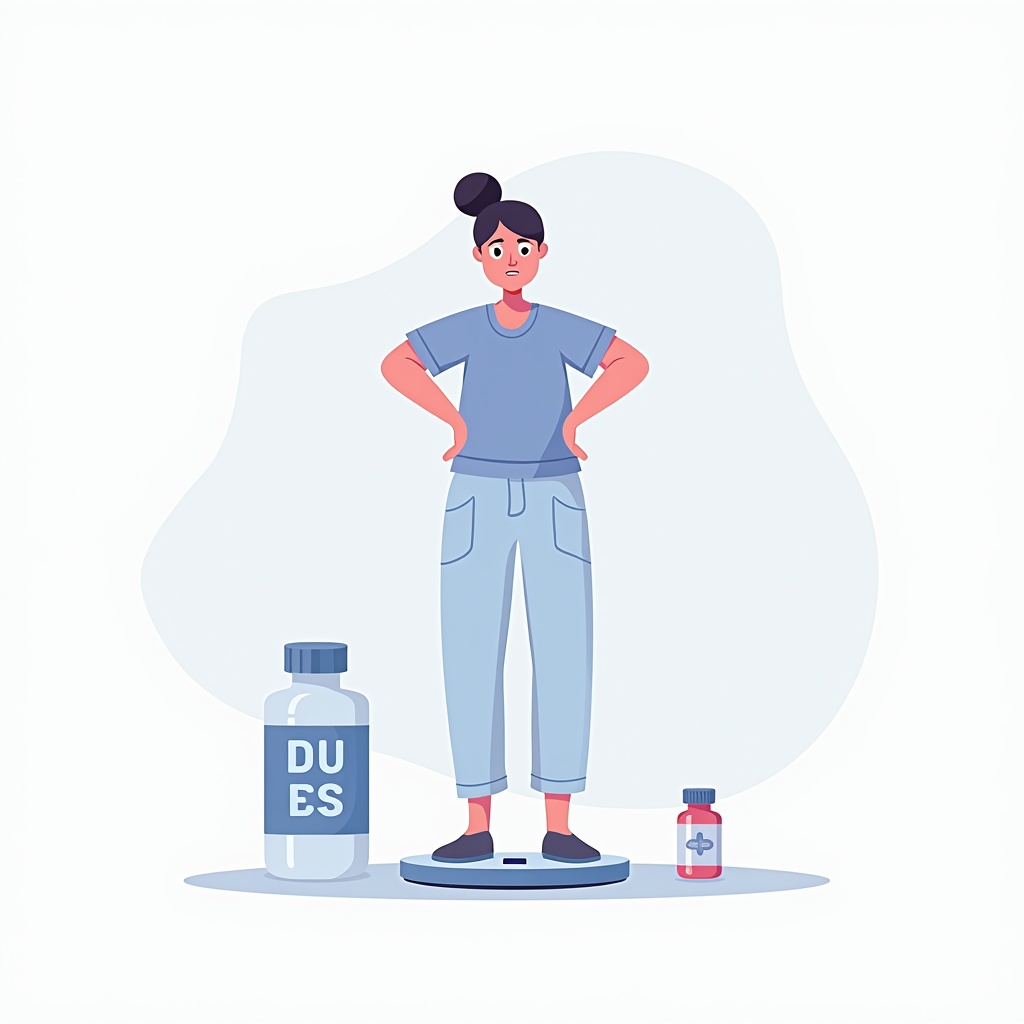
You started your peptide protocol two weeks ago. Maybe three. You followed the instructions, you pinned on schedule, you even cleaned up your diet a bit. And then you step on the scale and... nothing. Or maybe you lost a pound, which feels like a rounding error after everything you've been through.
Meanwhile, your friend — the one who eats takeout four times a week — is down twelve pounds and posting about it. What gives?
Here's the thing: if you're not losing weight on peptides like tirzepatide or retatrutide, you're almost certainly not a "non-responder." That term gets thrown around a lot, but genuine non-response to GLP-1 receptor agonists is rare — we're talking single-digit percentages in clinical data. In about 95% of cases, the reason is identifiable and fixable.
Let's walk through what's actually happening.
The Dose Isn't Where It Needs to Be Yet
This is the most common reason people panic early. Tirzepatide and retatrutide both use a titration protocol — you start low and work your way up over weeks. That's not a suggestion, it's how these molecules were designed to be used. The starting dose is there to let your GI tract adapt, not to produce dramatic fat loss.
With tirzepatide, you typically begin at 2.5 mg weekly. At that dose, some people notice appetite suppression right away. Others feel basically nothing. Both responses are normal. The therapeutic sweet spot for most people is somewhere between 5 mg and 15 mg, and you won't know where yours is until you get there.
Same story with retatrutide, which hits GLP-1, GIP, and glucagon receptors simultaneously. The triple mechanism is powerful, but the body still needs time to adjust. Rushing the titration to "speed things up" usually backfires — you end up with nausea so severe you can't eat at all, which tanks your metabolism and makes the whole process counterproductive.
If you've been on a starting dose for two or three weeks and haven't seen movement, that's expected. Give the protocol time. The fat loss typically begins in earnest once you reach an effective maintenance dose.
Your Calorie Intake Is Higher Than You Think
Peptides reduce appetite. They don't eliminate it. And here's what trips people up: when your appetite drops, you might eat less at meals but compensate in ways you don't notice. The handful of nuts while cooking. The "just a taste" of your kid's mac and cheese. The extra tablespoon of olive oil because you're being "healthy."
None of these seem like much. But calorie math is brutally honest. If you're eating 2,200 calories a day and burning 2,300, you're in a deficit of 100 calories. That's about a pound of fat loss per month. You might not even see it on the scale because of water fluctuations.
The fix is not obsessive calorie counting — most people burn out on that within a week. But spending three or four days tracking everything you eat, honestly, can be eye-opening. Many people discover they're eating 300 to 500 calories more than they estimated. When combined with the appetite suppression from peptides, correcting this gap tends to unlock noticeable progress fast.
You're Retaining Water (and It's Masking Fat Loss)
This one is sneaky, and it's responsible for more frustration than almost any other factor. You can be losing fat tissue at a perfectly healthy rate and see the scale go nowhere — or even up — because your body is holding water.
What causes water retention during a peptide protocol?
- High sodium intake. If your diet is heavy on processed or restaurant food, you're probably taking in 3,000 to 5,000 mg of sodium daily. That's enough to hold several pounds of water.
- Hormonal fluctuations. For women, the menstrual cycle can swing the scale by 2 to 5 pounds entirely from water. If you're weighing yourself once a week and happen to catch a high day, it looks like nothing is working.
- New exercise routines. Starting or intensifying a workout program causes muscle inflammation and glycogen storage changes, both of which hold water. You might be losing fat and gaining water weight simultaneously.
- Cortisol from stress or poor sleep. Chronically elevated cortisol directly promotes water retention. If you're sleeping five hours a night and running on caffeine, your body is holding onto fluid as a stress response.
The practical solution: stop relying solely on the scale. Take waist measurements every two weeks. Notice how your clothes fit. Take progress photos under consistent lighting. These metrics tell a much more accurate story than daily weigh-ins.
Insulin Resistance Is Slowing Everything Down
If you've been carrying significant excess weight for years, there's a good chance your insulin sensitivity isn't great. That's not a character flaw — it's a metabolic adaptation. Your cells have been bombarded with insulin for so long that they've turned down the volume on the signal.
Why does this matter for peptide-assisted weight loss? Because GLP-1 agonists like tirzepatide work partly by improving insulin dynamics. But in people with significant insulin resistance, this improvement takes longer to manifest. Your body is essentially playing catch-up on years of metabolic dysfunction.
The result: your friend who has 20 pounds to lose drops weight quickly because their metabolism is still relatively flexible. You, with 80 pounds to lose and pre-diabetic fasting glucose, might not see visible results for four to six weeks even at appropriate doses.
This doesn't mean it's not working. At a cellular level, tirzepatide is improving your insulin signaling, reducing hepatic glucose output, and beginning to mobilize visceral fat. The visible results follow the metabolic improvements, not the other way around. If you have blood work showing elevated fasting insulin, HbA1c above 5.7, or triglycerides over 150 — expect a slower start, but a solid trajectory once things click.
Thyroid Function Deserves a Look
About 5% of the general population has some form of hypothyroidism, and among people struggling to lose weight, that percentage is higher. An underactive thyroid reduces your basal metabolic rate — essentially lowering the number of calories you burn at rest. When your metabolic floor drops, even a significant caloric deficit produces slower weight loss.
If you've never had your thyroid checked, or if it's been more than a year, it's worth getting a panel done. Not just TSH — ask for Free T3, Free T4, and thyroid antibodies. Subclinical hypothyroidism (where TSH is elevated but T3 and T4 are technically "in range") is frequently missed and can absolutely blunt your results.
This is especially relevant if you have other symptoms alongside stalled weight loss: fatigue, cold sensitivity, hair thinning, dry skin, or constipation. Peptides can't fully override a thyroid that isn't producing adequate hormones. The good news: thyroid issues are very treatable, and once addressed, peptide protocols tend to work as expected.
Medications That Interfere
Several common medications can promote weight gain or make weight loss significantly harder, even when you're doing everything right with your peptide protocol:
- SSRIs and SNRIs (antidepressants like sertraline, paroxetine, venlafaxine) — many cause weight gain through appetite stimulation and metabolic changes
- Beta-blockers (metoprolol, atenolol) — reduce metabolic rate and exercise capacity
- Corticosteroids (prednisone, dexamethasone) — promote fat storage and water retention
- Insulin and sulfonylureas — can cause weight gain through hypoglycemia-driven eating
- Certain antihistamines — some, like cyproheptadine, are actually prescribed as appetite stimulants
- Antipsychotics (olanzapine, quetiapine) — among the most weight-gain-promoting medications available
If you're taking any of these, don't stop them — talk to your prescribing physician. Sometimes there are alternatives that are weight-neutral. Other times, the medication is essential and you need to adjust expectations: weight loss will be slower, but it's still achievable.
Sleep Is Not Optional
People consistently underestimate how much sleep quality affects fat loss. The data is clear: sleeping less than six hours per night increases ghrelin (hunger hormone), decreases leptin (satiety hormone), raises cortisol, impairs glucose metabolism, and promotes preferential loss of lean mass over fat mass.
Read that last part again. When you're sleep-deprived and in a caloric deficit, your body preferentially burns muscle and holds onto fat. That's the opposite of what you want. No peptide can fully compensate for chronic sleep deprivation.
The target is seven to nine hours of actual sleep, not just time in bed. If you're going to bed at midnight, scrolling your phone until 12:45, falling asleep by 1:00, and waking at 6:30, you're getting about five and a half hours. That's actively working against your fat loss goals.
Your Expectations Might Need Calibrating
Clinical trials for tirzepatide showed average weight loss of 15 to 22% of body weight over 72 weeks. That's impressive — but notice the timeframe. Seventy-two weeks. A year and a half. The average in those trials was roughly 1 to 1.5 pounds per week, with a lot of variability.
Social media has warped expectations badly. The person posting their "30 pounds in 6 weeks" transformation is eit...
PEPTEX levert in Nederland en België — snelle verzending, gecertificeerde kwaliteit, gratis levering boven 150 €.
Lees meer: Waarom verlies ik geen gewicht met peptiden? 10 redenen en oplossingen
💬 Комментарии