BPC-157 para o cérebro: neuroproteção, acidente vascular cerebral, depressão | Peptex
Publicado: 2026-03-13 21:14:00 | PEPTEX Research
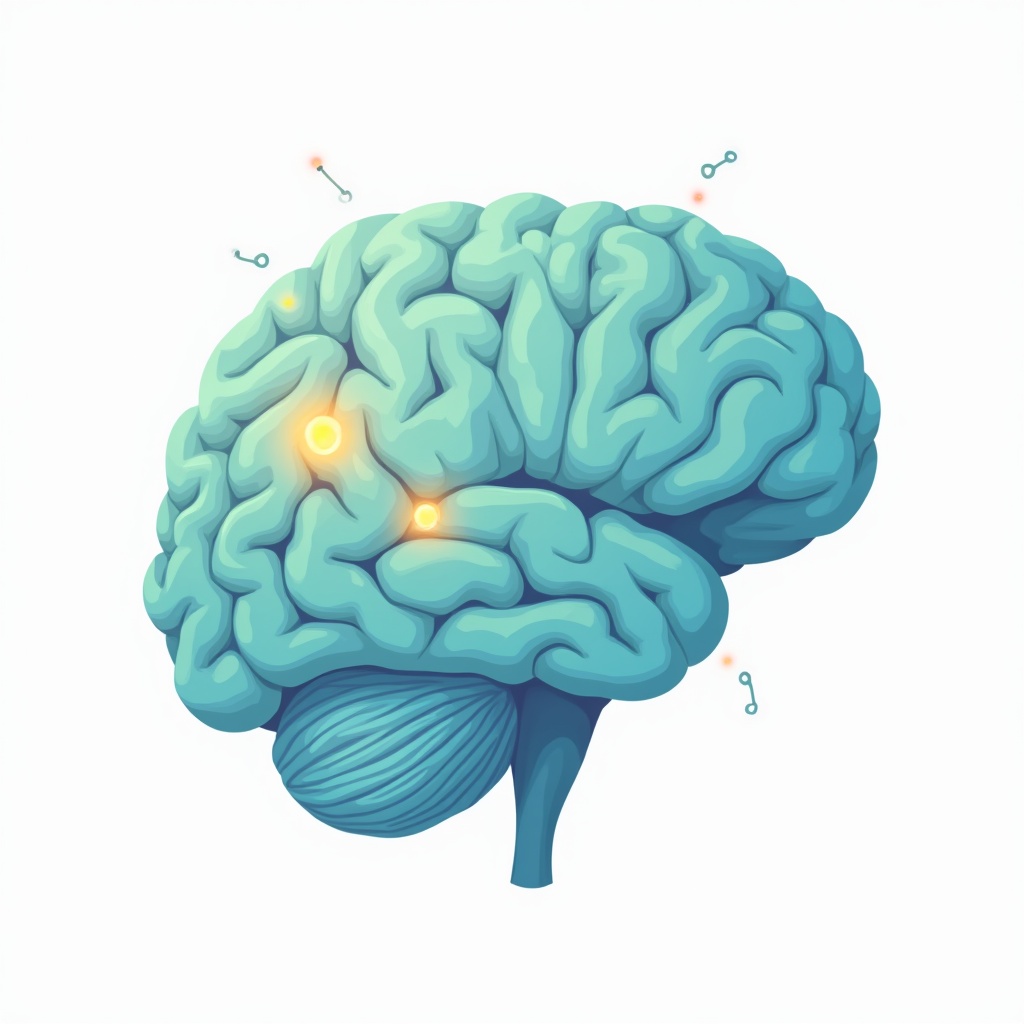
BPC-157 and the nervous system: an unexpected frontier
Most people know BPC-157 as a peptide for joints and tendons. Sports injuries, tendinitis, ligament tears represent the typical use cases. But over the past decade, a body of evidence has accumulated that fundamentally changes the picture. BPC-157 exerts pronounced effects on both the central and peripheral nervous system, and the mechanisms behind these effects deserve detailed examination.
The peptide consists of 15 amino acids and is a fragment of BPC (Body Protection Compound), found in gastric juice. Its stability in acidic environments already tells us something: the molecule is resilient, crosses barriers, and acts systemically. This systemic reach explains why a peptide injected subcutaneously in the abdomen can influence processes in the brain.
Stroke: recovery after ischemia
Ischemic stroke is the cessation of blood flow to a brain region. Neurons in the ischemic zone die within minutes, while surrounding tissue (the penumbra) remains at risk for hours and days. Saving the penumbra determines the outcome of recovery.
In experimental rat models, BPC-157 demonstrated the ability to reduce brain infarct volume and improve neurological outcomes. The mechanisms are multiple:
- Angiogenesis: BPC-157 stimulates growth of new blood vessels in the damaged zone, restoring blood supply
- Antioxidant protection: suppresses free radical formation that worsens reperfusion injury
- Anti-inflammatory effect: reduces levels of pro-inflammatory cytokines (IL-6, TNF-alpha) in brain tissue
- NO system activation: nitric oxide dilates vessels and improves microcirculation in the damaged area
Rats receiving BPC-157 after experimental stroke showed better motor function recovery, smaller necrotic zones, and more active neuron regeneration compared to controls. The therapeutic window proved broad: the peptide worked even when administered several hours after ischemia onset.
Traumatic brain injury: protection and repair
TBI, from mild concussion to severe contusion, triggers a cascade of events: brain edema, blood-brain barrier (BBB) disruption, neuroinflammation, and excitotoxicity (neuron death from excess glutamate).
BPC-157 acts on multiple links in this cascade. It restores BBB integrity, which is critically important: a compromised barrier lets toxins and immune cells into the brain, worsening damage. In rat TBI models, BPC-157 reduced brain edema, decreased neuron death in the hippocampus (the memory center), and accelerated cognitive function recovery.
An interesting aspect: BPC-157 influences the GABAergic system. GABA is the brain's primary inhibitory neurotransmitter. After TBI, the balance between excitation and inhibition is disrupted, leading to seizures and neurotoxicity. BPC-157 helps restore this balance by acting as a GABA receptor modulator.
Peripheral nerves: sciatic nerve and beyond
Peripheral nerve damage is a common problem. Sciatic nerve compression (sciatica), tunnel syndromes, traumatic transections all lead to pain, numbness, and loss of function.
In a series of rat experiments, BPC-157 demonstrated accelerated recovery of sciatic nerve function after transection or crush injury. Assessment covered multiple parameters:
- Nerve impulse conduction velocity recovered faster
- Remyelination (myelin sheath restoration) was more complete
- Functional tests (walking, grip) showed better results
The mechanism involves stimulation of nerve growth factors (NGF, GDNF) and improved blood supply to the nerve trunk through angiogenesis. TB-500 complements BPC-157 in this context: while BPC-157 stimulates directed nerve fiber growth, TB-500 provides cell migration and builds new vessels around the recovering nerve.
The dopamine system: from parkinsonism to schizophrenia
Dopamine is the neurotransmitter responsible for motivation, reward, motor function, and cognitive processes. Dopamine imbalance underlies a range of disorders: Parkinson's disease (deficit), schizophrenia (excess in the mesolimbic pathway), ADHD (dysregulation).
BPC-157 interacts with the dopamine system at multiple levels. In rat experiments it:
- Protected dopaminergic neurons from toxic damage (parkinsonism models)
- Normalized behavioral disruptions caused by dopamine excess (psychosis-mimicking models)
- Restored D2 receptor function after desensitization
The paradox is that BPC-157 neither stimulates nor blocks dopamine directly. It acts as a modulator: normalizing the system regardless of the direction of imbalance. In deficit states, it promotes neuron and receptor recovery. In excess states, it stabilizes signal transmission. This property is rarely seen in pharmacological agents and makes BPC-157 a unique tool.
The serotonin system and depression
Serotonin is the neurotransmitter of mood, sleep, appetite, and pain sensitivity. Its deficiency is associated with depression, anxiety, and obsessive-compulsive disorder. Most antidepressants (SSRIs) work by blocking serotonin reuptake.
BPC-157 affects the serotonin system differently. Rather than blocking reuptake, it modulates serotonin receptors (5-HT1A, 5-HT2A) and normalizes serotonin levels in the synaptic cleft. In experiments this manifested as antidepressant and anxiolytic action:
- In the forced swim test (standard depression test in rodents), rats receiving BPC-157 showed less immobility time
- In anxiety models (elevated plus maze), the peptide increased time in open arms, indicating reduced anxiety
- Under chronic stress, BPC-157 prevented serotonin depletion in the prefrontal cortex
For people with subclinical depression or anxiety who prefer to avoid SSRIs and their side effects (reduced libido, weight gain, emotional blunting), BPC-157 represents an interesting gentler alternative.
The gut-brain axis: where everything connects
BPC-157 is a peptide of gastric origin, and its influence on the brain is partly explained through the gut-brain axis. The vagus nerve is the primary communication channel between gut and brain, and BPC-157 actively interacts with this system.
In the gut, BPC-157 restores mucosal integrity, reduces inflammation, and normalizes the microbiome. A healthy gut produces up to 90 percent of the body's serotonin and a significant portion of its dopamine. When the intestinal barrier is compromised (leaky gut syndrome), toxins and bacterial products enter the bloodstream, causing systemic inflammation that reaches the brain.
BPC-157 breaks this vicious cycle: restoring the intestinal barrier, reducing systemic inflammation, normalizing neurotransmitter production in the gut. This explains why many users report improved mood and cognitive function when taking BPC-157, even if they originally started it for joint treatment.
The GLOW peptide blend from Peptex contains BPC-157, making it an interesting option for those who want the systemic benefits of the peptide within a comprehensive formula.
Synergy with other molecules
BPC-157 plus TB-500: nerve restoration
The combination of BPC-157 and TB-500 for neuroregeneration works through complementary mechanisms. BPC-157 stimulates nerve growth factors and directs axon growth. TB-500 provides precursor cell migration to the injury site and builds new vessels to nourish the recovering nerve. Together they create both the direction and infrastructure for regeneration.
BPC-157 plus NAD+: neuroprotection and energy
NAD+ is essential for neurons to produce energy and repair DNA. After stroke or TBI, NAD+ levels in damaged tissue plummet, accelerating neuron death. Exogenous NAD+ supplementation supports neuronal energetics while BPC-157 simultaneously restores blood supply and reduces inflammation. A dual approach: energy plus structural restoration.
Dosing for neurological applications
For systemic neuroprotective effects, BPC-157 is used in the range of 250-500 mcg daily via subcutaneous injection. Some protocols call for higher doses (up to 750 mcg) for serious injuries. A typical course runs 4-8 weeks with breaks between cycles.
- Chronic conditions (depression, anxiety): 250 mcg daily, extended courses of 6-8 weeks
- Acute injuries (nerve trauma, TBI): 500 mcg daily, starting as early as possible
- Neurodegeneration prevention: 250 mcg daily in 4-week courses with breaks
Injection site for neurological purposes is less critical than for local injury treatment. Subcutaneous injection in the abdomen provides good systemic distribution.
Limitations and outlook
All evidence for BPC-157 neuroprotective properties comes from animal models. Rats are not humans, and direct translation of results is not possible. However, the volume of data is impressive: over 100 publications in peer-reviewed journals, consistent results across different injury models, and multiple mechanisms of action.
There are no controlled clinical trials in humans for neurological indications yet. Nevertheless, thousands of people use BPC-157 and subjectively report improvements in cognitive function, mood, and injury recovery. These observations align with experimental data, though they cannot serve as proof.
The potential of this molecule for neurology is enormous. It is affordable, has an excellent safety profile, and acts through multiple pathways simultaneously. To discuss an individual BPC-157 protocol, reach out to supp...
PEPTEX entrega em Portugal — envio rápido, qualidade certificada, envio gratuito acima de 150 €.
Leia mais: BPC-157 para o cérebro: neuroproteção, acidente vascular cerebral, depressão | Peptex
💬 Комментарии