Dieta peptídica: o que comer com agonistas do GLP-1
Publicado: 2025-08-05 20:50:00 | PEPTEX Research
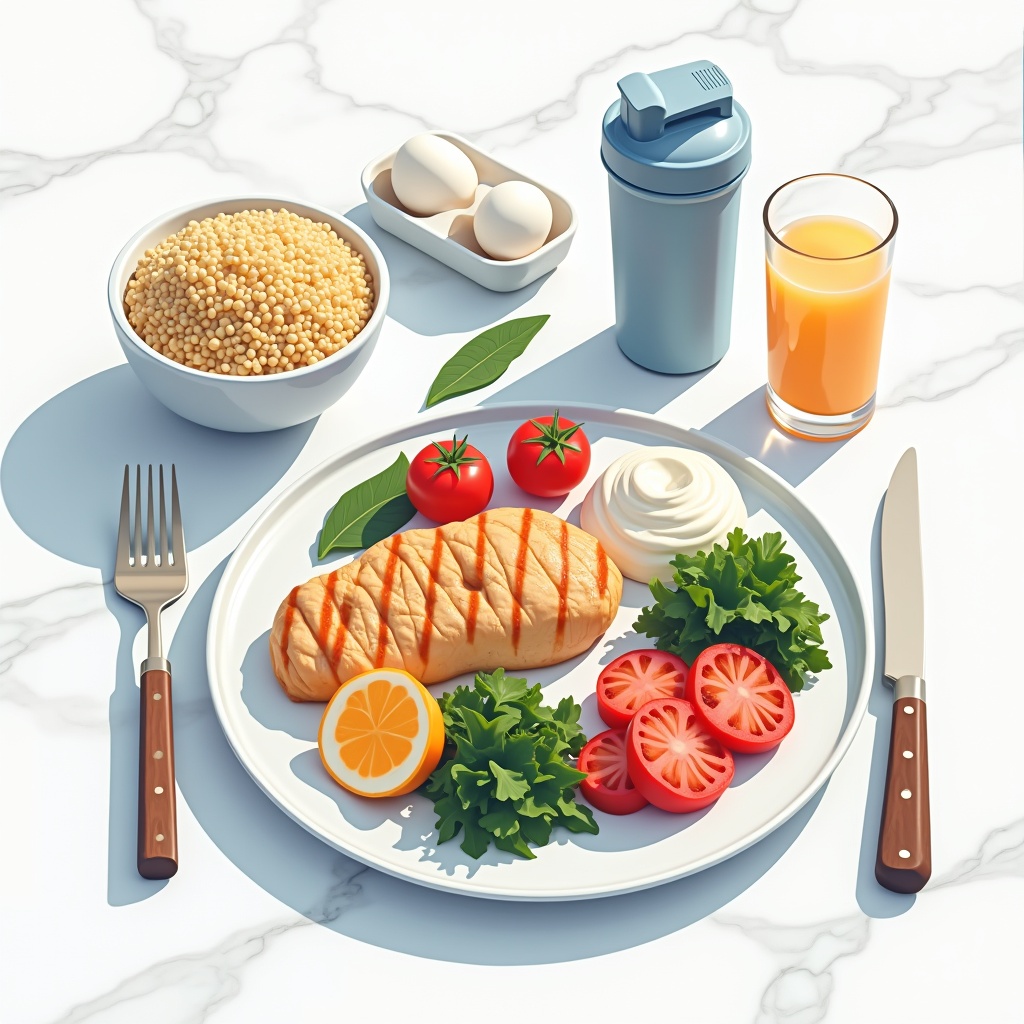
Starting a GLP-1 peptide protocol changes your relationship with food overnight. Appetite drops, portions shrink, and calories fall without willpower being involved. That's the mechanism working. But the mechanism also creates a practical problem: when you're eating 1,200-1,500 calories a day, every bite needs to carry its weight nutritionally. Random eating leads to deficiencies, muscle loss, and the kind of fatigue that makes people abandon protocols that were otherwise working perfectly.
This guide covers what to eat, what to avoid, and how to structure meals while using tirzepatide, retatrutide, or mazdutide. The recommendations are built around clinical observations and the metabolic realities of GLP-1 receptor agonism, not generic diet advice.
How GLP-1 agonists change your digestive system
Before discussing food choices, you need to understand what these peptides do to your gut. GLP-1 agonists slow gastric emptying by 30-50%. Food stays in your stomach longer, which is the primary driver of the satiety effect. But it also means that heavy, dense meals sit like concrete. High-fat meals that took 4 hours to digest before treatment now take 6-8 hours. This is why greasy food causes nausea on GLP-1 therapy: your stomach literally can't process it at a normal rate.
The second change is reduced gastric acid secretion. This alters how efficiently you break down proteins and absorb minerals like iron, calcium, and B12. Users who don't account for this can develop subclinical deficiencies over 3-6 months, even with adequate dietary intake.
Third, GLP-1 signaling affects bile flow and pancreatic enzyme output. Fat digestion becomes less efficient. This is why many users report oily stools or digestive discomfort after fatty meals during the first weeks. The system adapts, but food selection during the adaptation period determines whether the transition is smooth or miserable.
The protein priority: 1.6-2.2 grams per kilogram
Protein is the single most important macronutrient during GLP-1 therapy. At a caloric intake of 1,200-1,500 calories, you're in a substantial deficit. Without adequate protein, your body will catabolize muscle tissue for gluconeogenesis, and you'll lose weight that you actually wanted to keep.
The target: 1.6-2.2 grams of protein per kilogram of body weight, daily. For a 85 kg person, that's 136-187 grams. At 1,400 calories total, that means 544-748 calories from protein alone, or 39-53% of total intake. This is significantly higher than standard dietary advice, and it's necessary.
Best protein sources during GLP-1 therapy:
Eggs. 6 grams of protein each, well-tolerated even with reduced appetite. Scrambled or boiled, they rarely trigger nausea. Two to three eggs at breakfast provides 12-18 grams with minimal volume.
Greek yogurt (2% or nonfat). 15-20 grams per 200g serving. The probiotics also support the altered gut environment. A bowl with some berries works as a meal when nothing else appeals.
White fish. Cod, tilapia, and sea bass deliver 20-25 grams of protein per 100g with almost no fat. Low-fat protein sources are better tolerated because they don't aggravate the slowed gastric emptying. Baked or steamed, never fried.
Chicken breast. The standard for lean protein. 31 grams per 100g. Poached, grilled, or baked. Avoid skin-on preparations during the first 8 weeks.
Cottage cheese. 11 grams per 100g, easy to eat in small portions. Good for evening meals when appetite is at its lowest. The casein protein provides slow-release amino acids overnight.
Whey protein isolate. The practical solution when solid food is unappealing. A 30g scoop in 250ml water gives you 24-27 grams of protein in a form that bypasses the satiety resistance most users feel toward solid food. Sip slowly rather than gulping it down.
Carbohydrates: complex, moderate, and timed
You don't need to eliminate carbohydrates. You need to select them carefully. Simple sugars and refined carbs cause blood glucose spikes followed by reactive hypoglycemia, which GLP-1 therapy amplifies. The crash feels worse than it would off-peptide, and it triggers cravings that fight the appetite suppression you're paying for.
Aim for 100-150 grams of complex carbohydrates daily. Prioritize these sources:
Sweet potatoes. Slow-digesting, nutrient-dense, and easy on the stomach. 100g baked sweet potato provides 20g of carbs with fiber that supports the altered gut transit time.
Oats. 40g of rolled oats with protein powder or eggs is a breakfast that covers both macros efficiently. Oats also provide beta-glucan, which helps stabilize blood sugar during GLP-1 therapy.
Quinoa and buckwheat. Higher in protein than rice (8g per 185g cooked quinoa vs 4g for rice), making every calorie more productive in a restricted intake scenario.
Vegetables at every meal. Broccoli, spinach, zucchini, bell peppers, and cauliflower provide volume, fiber, and micronutrients with minimal caloric cost. At 1,300 calories daily, vegetables give you the feeling of eating a normal-sized meal when measured by plate volume.
Berries over tropical fruit. Blueberries, raspberries, and strawberries deliver antioxidants with lower sugar density than bananas, mangoes, or grapes. A 100g serving of blueberries has 14g of carbs; the same weight of mango has 17g with a higher glycemic response.
Fats: necessary but carefully managed
Fat is essential for hormone production, fat-soluble vitamin absorption, and cell membrane integrity. But it's the macronutrient most affected by slowed gastric emptying. Too much fat in a single meal is the number one trigger for nausea during GLP-1 therapy.
Target 40-60 grams of fat daily, distributed across meals. Never consume more than 15-20 grams of fat in one sitting during the first 6-8 weeks of treatment.
Best sources: olive oil (drizzled, not poured), avocado (quarter at a time), almonds and walnuts (15-20g servings), fatty fish like salmon or sardines (once or twice weekly for omega-3s). These provide essential fatty acids without overwhelming the digestive system.
Avoid during GLP-1 therapy: fried foods of any kind, full-fat cheese in large portions, cream-based sauces, fast food, and processed meats high in fat (bacon, sausage). These aren't just unhealthy in the general sense; they specifically interact poorly with the delayed gastric emptying caused by GLP-1 agonists. A meal that might cause mild fullness without peptide therapy can cause hours of nausea with it.
Managing nausea through food choices
Nausea is the most common side effect of tirzepatide, retatrutide, and mazdutide, particularly during dose titration in the first 4-6 weeks. The good news: it's manageable through eating patterns, not just medication.
Eat smaller meals, more frequently. Four to five small meals of 250-350 calories work better than three larger meals. Smaller volumes process through the slowed stomach faster, reducing the sensation of food sitting in your gut.
Ginger is clinically effective. Ginger root tea, ginger chews, or fresh ginger in meals reduce nausea through 5-HT3 receptor antagonism, the same mechanism as ondansetron. A thumb-sized piece of fresh ginger steeped in hot water for 10 minutes before meals provides noticeable relief within 20-30 minutes.
Cold foods over hot foods during episodes. When nausea is active, cold or room-temperature foods produce less stomach irritation than hot meals. Chilled Greek yogurt, cold chicken salad, or a protein shake at refrigerator temperature are better options than a steaming plate of food.
Eat slowly and stop at 70% full. The satiety signal from GLP-1 peptides arrives faster than you're used to. If you eat at your pre-treatment speed, you'll overshoot the comfortable fullness point and feel sick 20 minutes later. Spend at least 20 minutes on each meal. If you feel any pressure in your stomach, stop eating. Forcing food past the satiety signal is the fastest route to nausea.
Sample meal plan: 1,400 calories, 160g protein
This framework works across tirzepatide, retatrutide, and mazdutide protocols. Adjust portions based on your caloric needs and body weight.
Breakfast (350 cal, 40g protein): 3 scrambled eggs with spinach and tomato. 150g Greek yogurt on the side. Ginger tea.
Lunch (400 cal, 45g protein): 150g baked chicken breast. 100g quinoa. Steamed broccoli and bell pepper with a drizzle of olive oil. Lemon water.
Afternoon snack (200 cal, 27g protein): Whey protein isolate shake (30g scoop) blended with 100g frozen berries and water.
Dinner (350 cal, 38g protein): 150g baked cod or tilapia. 100g baked sweet potato. Mixed green salad with cucumber and avocado (quarter).
Evening snack (100 cal, 10g protein): 100g cottage cheese with a few walnuts.
Total: approximately 1,400 calories, 160g protein, 120g carbs, 45g fat. This hits the protein target while keeping fat low enough to avoid GI issues. Modify the protein sources to your preference and availability; the ratios matter more than the specific foods.<...
PEPTEX entrega em Portugal — envio rápido, qualidade certificada, envio gratuito acima de 150 €.
Leia mais: Dieta peptídica: o que comer com agonistas do GLP-1
💬 Комментарии