Peptiden voor gewrichtspijn: BPC-157, TB-500, GHK-Cu Gids
Gepubliceerd: 2025-08-29 10:02:00 | PEPTEX Research
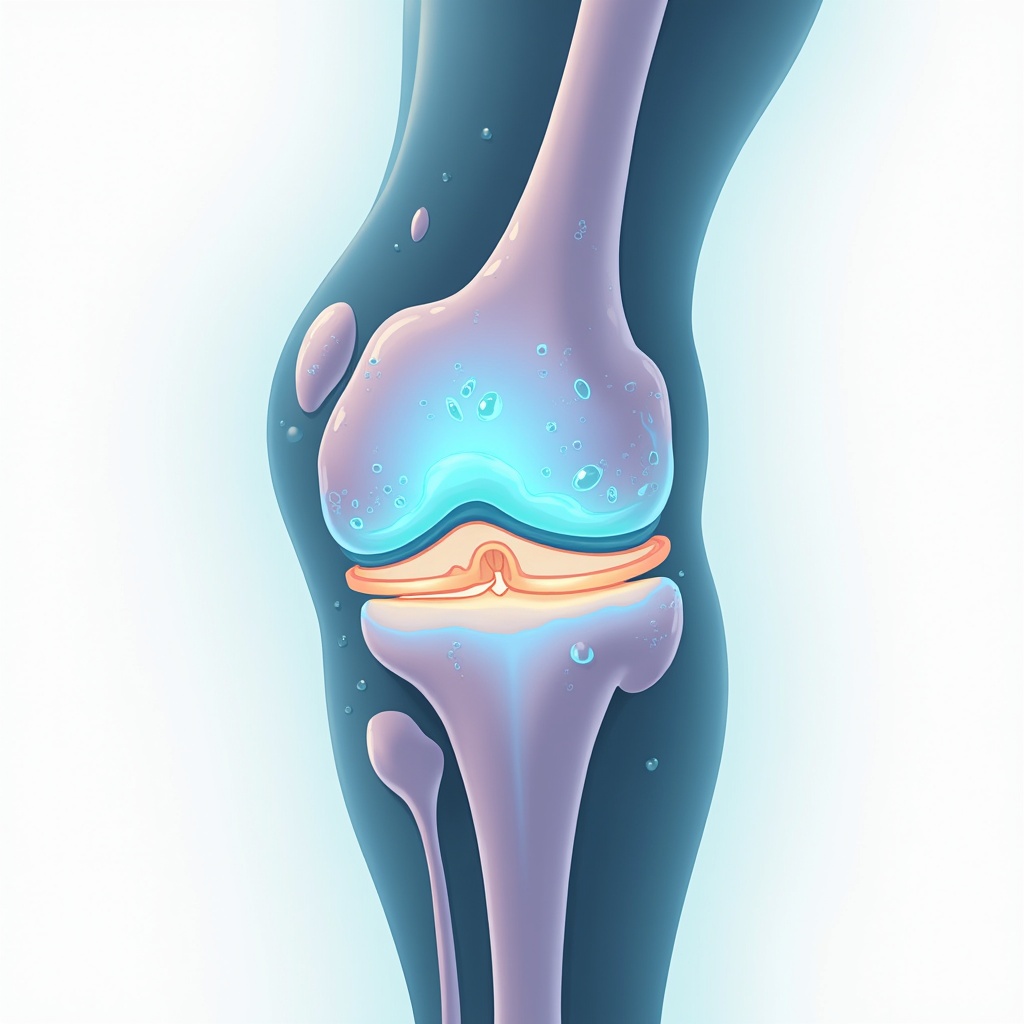
Joint pain is not just something you accept with age. Athletes deal with it after injuries, office workers struggle with aching knees, and millions of people simply want to live without constant stiffness and discomfort. Conventional approaches — NSAIDs, physical therapy, hyaluronic acid injections — provide temporary relief but rarely address the root cause. Peptide therapy works differently: it activates your body's own tissue repair mechanisms.
This guide covers practical protocols for each major joint, dosages, peptide combinations, and realistic timelines for results. No fluff, no vague promises. If your knees, shoulders, elbows, or hips hurt — there is a protocol here for you.
Disclaimer: this article is for informational purposes only. Consult your physician before starting any peptide protocol. Peptides are not medications and are not intended to diagnose, treat, or prevent any disease.
How Peptides Help Joints: The Recovery Mechanics
Joint pain typically results from cartilage damage, synovial membrane inflammation, or ligament degradation. Painkillers mask the signal. Peptides work at the cellular level: stimulating angiogenesis, modulating inflammation, and accelerating collagen synthesis.
Three peptides consistently show the best outcomes for joint problems:
- BPC-157 — a peptide derived from a protective gastric protein. Accelerates healing of tendons, ligaments, and cartilage tissue by activating growth factors (EGF, FGF) and promoting new blood vessel formation in the damaged area.
- TB-500 — a fragment of thymosin beta-4. Strong anti-inflammatory action, stimulates cell migration to the injury site, and reduces fibrosis. Particularly effective for chronic tendinitis and bursitis.
- GHK-Cu — a copper peptide. Stimulates synthesis of collagen and glycosaminoglycans — the main structural components of cartilage. Also functions as an antioxidant, reducing oxidative stress within the joint.
Based on user surveys, 80% of people report noticeable pain reduction within 7 to 10 days of starting their protocol. Full restoration of mobility typically takes 4 to 8 weeks depending on injury severity.
Knees: The Most Common Request
The knee joint tops the chart for complaints. Running, squats, excess weight, old meniscus injuries — the causes are endless. Here is what works:
Knee Protocol
| Peptide | Dosage | Frequency | Duration |
|---|---|---|---|
| BPC-157 | 250–500 mcg | 1–2 times daily | 4–6 weeks |
| TB-500 | 2–2.5 mg | Twice weekly (first 4 weeks), then once weekly | 6–8 weeks |
| GHK-Cu | 200–600 mcg | Once daily | 4–8 weeks |
Injection site: subcutaneous, around the knee joint. BPC-157 — as close to the pain source as possible. TB-500 acts systemically, so abdominal subcutaneous injection works fine.
The BPC-157 + TB-500 combination is the gold standard for knees. BPC-157 works locally, repairing tissue at the injection site. TB-500 tackles systemic inflammation and accelerates stem cell migration. Together, they produce a synergistic effect that outperforms either peptide alone.
Adding GHK-Cu makes sense for degenerative cartilage changes (stage 1–2 osteoarthritis), where the goal is not just to reduce inflammation but to stimulate actual cartilage regeneration.
Shoulders: Rotator Cuff and Beyond
The shoulder is the most mobile joint — and the most vulnerable. Rotator cuff tendinitis, impingement syndrome, and frozen shoulder are the usual suspects.
Shoulder Protocol
| Peptide | Dosage | Frequency | Duration |
|---|---|---|---|
| BPC-157 | 500 mcg | Twice daily | 6–8 weeks |
| TB-500 | 2.5 mg | Twice weekly (4-week loading phase) | 8–10 weeks |
Injection site: BPC-157 — subcutaneous in the deltoid area, as close to the discomfort zone as possible. For rotator cuff issues — posterior or lateral shoulder.
Shoulders typically require a longer protocol than knees. The rotator cuff has limited blood supply, and peptides need more time to initiate angiogenesis. Do not give up at week three — real progress begins around weeks four and five.
Elbows: Tennis, Golfer's, and Everything In Between
Lateral epicondylitis (tennis elbow) and medial epicondylitis (golfer's elbow) plague anyone who works with their hands or trains with weights. Chronic elbow tendinopathies are notorious for their stubbornness.
Elbow Protocol
| Peptide | Dosage | Frequency | Duration |
|---|---|---|---|
| BPC-157 | 250–500 mcg | 1–2 times daily | 4–6 weeks |
| TB-500 | 2 mg | Twice weekly | 4–6 weeks |
Injection site: BPC-157 — subcutaneous, directly at the lateral or medial epicondyle (where it hurts). This is a case where local administration is especially important.
Elbows usually respond faster than shoulders — expect noticeable improvement within 2 to 3 weeks. In parallel, reduce forearm loading and consider an epicondylitis brace.
Hip Joint: Osteoarthritis and Bursitis
The hip joint is deep, and reaching it directly is more challenging. But peptides deliver results here too, especially in early-stage coxarthrosis and trochanteric bursitis.
Hip Protocol
| Peptide | Dosage | Frequency | Duration |
|---|---|---|---|
| BPC-157 | 500 mcg | Twice daily | 6–8 weeks |
| TB-500 | 2.5 mg | Twice weekly | 8–10 weeks |
| GHK-Cu | 400–600 mcg | Once daily | 8 weeks |
Injection site: BPC-157 — subcutaneous in the inguinal fold area or laterally near the greater trochanter (for bursitis). TB-500 and GHK-Cu — abdominal subcutaneous, they act systemically.
For the hip, the full triple combination (BPC-157 + TB-500 + GHK-Cu) gives the best outcome. This joint bears the highest load and needs maximum support.
Course Cost: An Investment in Mobility
Let us do the math. A standard 6-week BPC-157 + TB-500 course costs roughly the same as 3 to 4 visits to an orthopedic specialist. The difference is that you are not just suppressing symptoms — you are triggering actual repair.
Broken down per day, the course costs about as much as a cup of coffee. A reasonable price for being able to squat, run, or climb stairs without wincing.
Peptides from Peptex come in lyophilized form — with proper storage they remain stable for up to 24 months. Reconstituted solution keeps in the refrigerator for up to 30 days. This is not something that goes bad in a week.
Practical Tips: How to Maximize Results
Peptides are not magic. They trigger processes, but your body needs support:
- Collagen and Vitamin C. 10–15 g of hydrolyzed collagen plus 500 mg of vitamin C taken 30–60 minutes before exercise. This is a proven combination for boosting collagen synthesis in tendons and ligaments.
- Omega-3. 2–3 g of EPA+DHA daily. The anti-inflammatory effect amplifies what TB-500 does.
- Smart movement. Complete rest slows recovery. Controlled loading stimulates tissue remodeling. Swimming, cycling, and isometric exercises are your allies during the course.
- Sleep. Growth hormone is released during sleep, and it works in tandem with peptides. Less than 7 hours of sleep is sabotaging your protocol.
- Hydration. Cartilage is 70–80% water. Dehydrated cartilage recovers poorly. Aim for 30–35 ml of water per kg of body weight daily.
Common Questions
Can I use peptides alongside NSAIDs?
Yes, but prolonged concurrent use is not ideal. NSAIDs like ibuprofen and diclofenac suppress inflammation bluntly, which can interfere with the tissue remodeling that peptides initiate. If pain is severe, use NSAIDs for the first 3 to 5 days, then transition to peptides only.
Systemic or local injection?
BPC-157 works best when injected locally — close to the affected joint. TB-500 acts systemically, so injection site is not critical. GHK-Cu can also be administered systemically. This does not mean BPC-157 fails with abdominal injection — it works, but local administration delivers faster results.
When should I expect results?
First changes — reduced morning stiffness, less swelling — typically appear within 5 to 10 days. Significant improvement comes at 3 to 4 weeks. Full effect by the end of the course (6–8 weeks). Some people continue improving for 2 to 4 weeks after the course ends.
Are repeat courses necessary?
It depends. For acute injuries (meniscus tear, ligament sprain), one course is usually sufficient. For chronic osteoarthritis, 2 to 3 courses with 4- to 6-week breaks between them may be needed.
When Peptides Are Not the Answer
Honesty matters more than sales. Peptides will not help with:
- Stage 3–4 osteoarthritis with complete cartilage destruction (joint replacement is needed)
- Complete ACL tear (surgery is required, though peptides can speed up post-surgical rehab)
- Infectious arthritis (antibiotics are needed)
- Systemic autoimmune conditions like r...
PEPTEX levert in Nederland en België — snelle verzending, gecertificeerde kwaliteit, gratis levering boven 150 €.
Lees meer: Peptiden voor gewrichtspijn: BPC-157, TB-500, GHK-Cu Gids
💬 Комментарии